
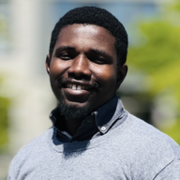

Today, researchers, practitioners and leaders from across the UK are gathering at Blackburne House in Liverpool for Black Research Connections 2026, hosted by the Black Researcher Consortium in partnership with Liverpool John Moores University.
I am delighted to be part of this important gathering, where I will be co-facilitating a roundtable session alongside Maryam Irekeola of InsightSpace.co. Our session is titled From Research to Room: Communicating Your Work So People Actually Remember It.
The title captures a challenge that deserves greater attention in contemporary research practice: how do we move from producing valuable knowledge to communicating it in ways that people understand, remember and use?
Why How We Communicate Matters Now
Researchers invest months, and sometimes years, in developing their work. We immerse ourselves in literature, methodologies, theoretical debates, data collection and analysis. We become deeply familiar with the complexity of the questions we are investigating and the significance of our findings.
Yet, when we have the opportunity to communicate our work beyond specialist academic audiences, something important can happen. The central message gets buried beneath technical language, excessive detail or explanations that assume everyone in the room shares our background knowledge. The research may be rigorous, but its significance does not always travel with it.
This is why research communication must be treated as more than a presentation skill. It is part of the process through which knowledge becomes visible, accessible and influential. It matters when pitching to funders, briefing policymakers, engaging community stakeholders, collaborating with practitioners or positioning ourselves for new professional opportunities.
For Black researchers in particular, the ability to communicate our work clearly and confidently is a strategic necessity. Visibility, influence and career progression are shaped not only by the quality of the work we produce, but also by our capacity to explain its relevance and make its contribution understood. We need to ensure that important scholarship does not remain confined to the pages of reports, journal articles and conference papers.
From Abstract Advice to Practical Clarity
In today's roundtable, Maryam and I are moving beyond general advice about becoming better storytellers. We are introducing a practical framework grounded in behavioural insights and designed to help researchers communicate with greater clarity and purpose.
At the centre of the session is the Claim, Context, Connection model. Rather than simply discussing communication in theory, participants will apply the framework directly to their own research projects in real time. The intention is to give attendees an opportunity to test, refine and strengthen the way they explain their work while receiving the benefit of discussion and practical engagement.
1. Claim: Lead with the central message
What is the most important thing you want your audience to understand? Researchers often begin with the background, the research process or the technical details. These are important, but audiences first need a clear sense of the central point. The claim helps establish what matters and gives people a reason to pay attention.
2. Context: Explain why it matters
A research finding does not communicate its significance automatically. The context helps an audience understand the problem, the circumstances surrounding the research and the stakes involved. It connects specialist knowledge to issues that people can recognise and appreciate without compromising academic rigour.
3. Connection: Make the work relevant to the audience
Communication becomes more meaningful when people can see how the research relates to their decisions, experiences, responsibilities or interests. Connection requires researchers to think beyond what they want to say and consider what their audience needs to understand. It is about making the relevance of the work visible and memorable.
Together, these three elements provide a practical way to organise research communication for different audiences. The framework is not about simplifying research until its complexity disappears. It is about making that complexity intelligible and relevant without losing the substance of the work.
What Participants Will Take Away
Our ambition is for participants to leave the room with more than notes from a conference session. By applying the framework to their own research, attendees will have an opportunity to develop practical communication approaches that they can use beyond today's event.
- Structure communication dynamically: Adapt the way research is presented to different audiences without sacrificing academic rigour.
- Lead with what matters: Help decision-makers, practitioners and non-specialists understand the significance of the research from the outset.
- Articulate impact: Explain the contribution and relevance of research in ways that are clear, compelling and memorable.
Joining an Inspiring Research Community in Liverpool
It is particularly encouraging to contribute to a programme that brings together conversations about opportunities, communities and careers across the research ecosystem. Black Research Connections 2026 offers a space to recognise the contributions of Black researchers, strengthen professional networks and consider how research can shape institutions, communities and wider society.
The programme features an inspiring range of speakers and discussions. The keynote addresses include perspectives from poet and educator Dr Levi Tafari and Stemettes co-founder Professor Anne-Marie Imafidon, MBE.
There will also be an important panel discussion on reparative approaches to Black health, featuring Dr Rebecca Loy, Dr Leona Vaughn and Dr Stephen Kenny, chaired by Dr William Ackah.
Further conversations will explore mentorship, belonging and career pathways, with contributions from Chipo Mukoki, Maria Takaendisa, Ali Saad and Clive Adjetey Sowah MRSC, alongside Isabella Mascarenhas.
The breadth of this programme reinforces an important point: research excellence is strengthened when people, disciplines and experiences come together. We need spaces where knowledge is shared, relationships are developed and researchers can learn from one another's journeys.
Join Us in the Room
If you are attending Black Research Connections 2026 at Blackburne House, I encourage you to bring your current research project, an abstract you are working on or a communication challenge you have found difficult to resolve. Bring the work you are trying to explain and the audience you are trying to reach. Our roundtable is an opportunity to work through those challenges together.
Ultimately, research should not only be produced; it should be communicated, understood and given the opportunity to make a difference. We must be able to move from the research on the page to the people in the room, and from there to the decisions, conversations and actions that matter.
The value of research is not diminished by communicating it clearly. Its reach and potential impact are strengthened when people can understand why it matters.
I look forward to the conversations, connections and insights that will emerge from today's gathering. Follow the conversations through the Black Researcher Consortium and join the discussion using #BRC2026.
Key Takeaways
- Research communication is a core part of research impact, not an optional presentation skill.
- Effective communication begins with understanding the audience, not simply presenting everything the researcher knows.
- The Claim, Context, Connection framework offers a practical structure for making research clearer and more relevant.
- Academic rigour and accessible communication can, and should, work together.
- Research becomes more influential when its significance can be understood beyond the academic page.